Why are restaurants still underestimating one of their fastest-growing, highest-value guest segments?
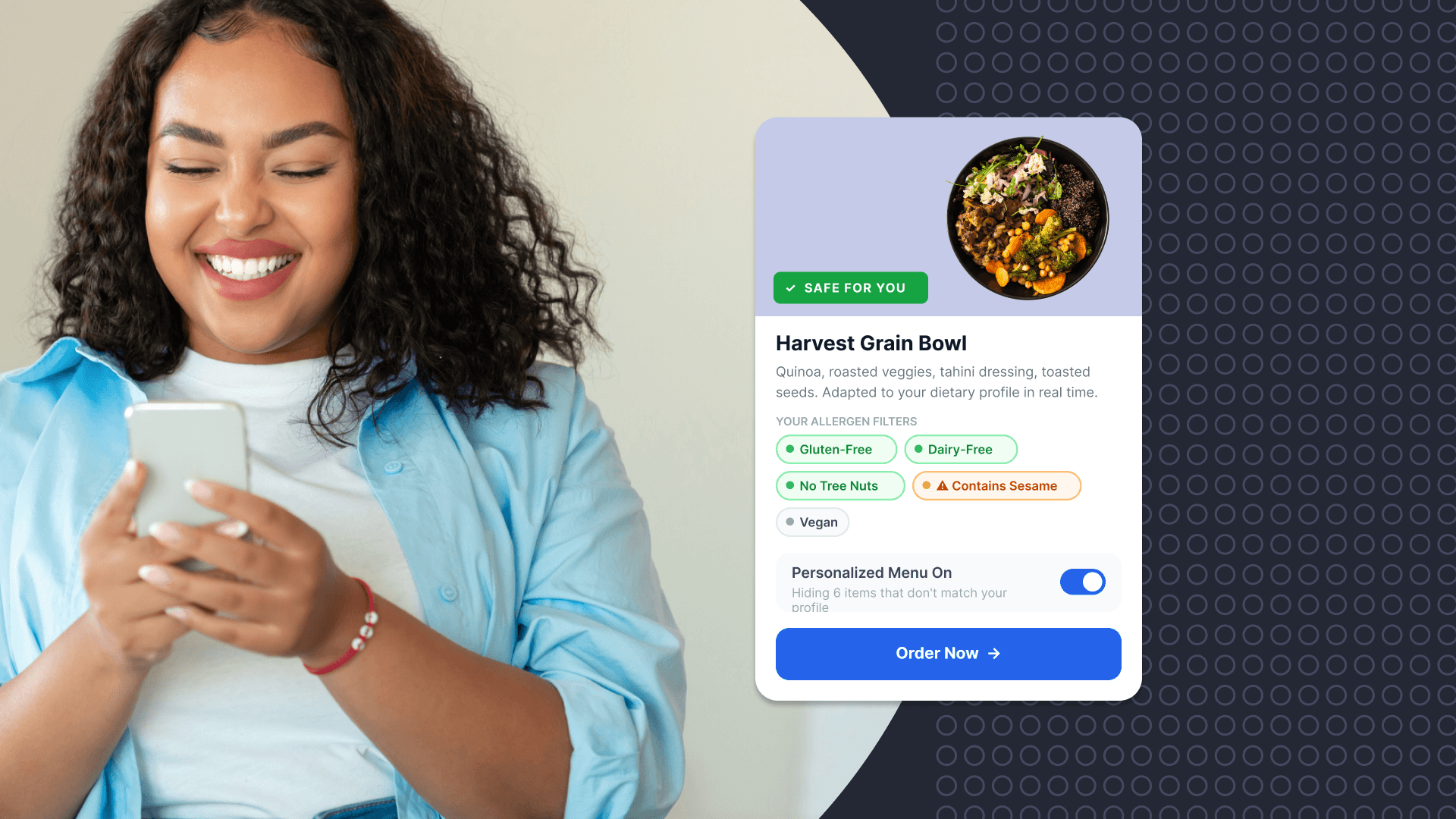
For years, the “food-sensitive diner” has been quietly mischaracterized by restaurants. They’re often framed as complicated, slow to serve, and costly to support. I hear it all too often: "We HAVE to provide nutrition or allergen data because it's THE law." But the real opportunity is what happens after compliance. Once ingredient data exists in a structured, digital format, it unlocks real personalization, that drives repeat visits, increased loyalty sign-ups and a competitive advantage.
Sure compliance creates the data..... But personalization creates the revenue.
In reality, this guest represents one of the most powerful and most misunderstood growth opportunities in hospitality today.
As someone who is building an ingredient-level personalization and menu intelligence platform through the EveryBite SmartMenu, I see this disconnect constantly between perception and data. And this is why today's Smarter Menu post is about exposing the most common myths that I hear, and what the data is actually telling us. Enjoy!
Myth #1: Food-sensitive diners are a small niche
Reality: They are mainstream decision-makers, over 85m people.
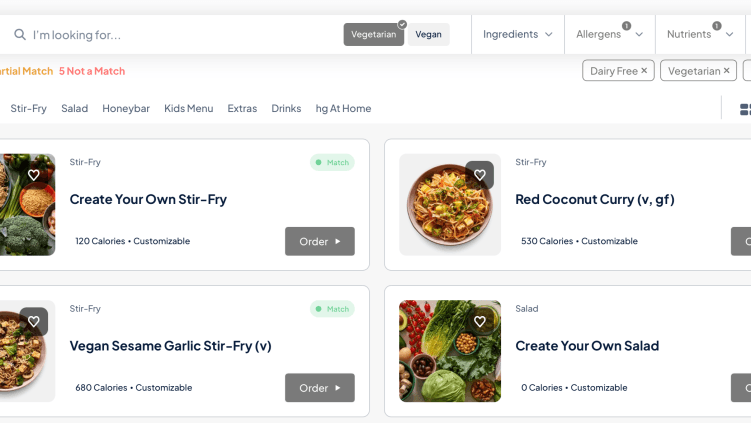
In 2025, SmartMenu guests personalized the menu more than 8.37 million time, applying diet filters, checking allergens, removing ingredients, and comparing dishes by nutrient. That level of engagement does not happen for a niche audience.
It happens when buyers need clarity before they can purchase. Modern diners aren’t just asking “What looks good?” They’re asking:
Can I eat this safely?
Does this fit my preferences today?
Will I feel good after I order it?
Food sensitivity is no longer an exception. It is normal behavior.
Myth #2: Guests don’t really use allergen or dietary tools
Reality: When tools are accurate, guests rely on them heavily.
One of the most revealing insights from our 2025 SmartMenu data is that allergen filters are used nearly 10× more than other menu filters. 10x.
This told us something important, that goes far beyond compliance, it told us:
--> Guests are not filtering because it's fun, they're filtering because they must. This high intention search and discovery is classic e-commerce style intent-to-buy behavior. And when we see filtering at 10x the rate of other personalization inquires, these guests are literally signaling their desire to buy.
Myth #3: Food-sensitive diners slow down operations
Reality: Digital menus like SmartMenu absorb millions of staff questions.
Every filter and search represents a question that didn’t have to be asked to a server or manager. Across millions of interactions, interactive menus are effectively replacing:
Ingredient clarification
Allergen verification
Customization questions
Menu uncertainty, which pauses the buying funnel
Menus that evolve from static lists into interactive decision engines, reduce operational friction rather than creating it. Sure supporting food-sensitive diners can be difficult when presenting the data in a static PDF form, or hidden in the footer of your website, but when you provide a self-selection browsing experience, you massively open up the operationally efficiency. This operational efficiency is no different than enabling your guests to make a reservation: they can pick the time, the date, the # of people in their party and if they want to enjoy being seated indoor vs. outdoor. Why should the menu experience be any different for these diners?
Myth #4: These guests spend less
Reality: Confidence drives conversion.
When guests interact with SmartMenu, they are not casually browsing. On average, guests perform about 20 interactions per session, applying filters, adjusting ingredients, and re-checking ingredient results before ordering.
This behavior mirrors e-commerce shopping patterns like Amazon or Airbnb, which leads to measurable revenue outcomes such as:
40% of engaged guests clicked “Order Now.”
24% of all visitors moved toward ordering — dramatically higher than typical restaurant website conversion rates of 2–6%.
Those clicks represented more than $5.7 million in direct purchase intent.
The conclusion is simple: When consumers find something that truly fits their needs, they convert more, and return more often. Cold. Hard. Fact.
Historically, food-sensitive diners have under-ordered for one simple reason: they could not safely or confidently find what worked for them. When menus become transparent and filterable at the ingredient level we saw:
Guests spend less time abandoning the menu
Fewer orders stall at “I’m not sure” and "can I eat this?" and "I will have to email or ask the server for more details."
...And more orders move forward with confidence
Our restaurants consistently see:
Higher order conversion from filtered sessions
Stronger engagement depth
And materially higher revenue from guests who interact with personalization tools
The issue was never demand. The issue was discoverability.
Myth #5: Menu transparency is only about compliance (this one really gets me!)
Reality: Compliance is just the starting line.
Regulations like California’s upcoming SB-68 allergen disclosure requirements are pushing brands to improve transparency.
But the real opportunity begins after compliance.
When ingredient data becomes structured and digital, restaurants unlock:
Personalization
Targeted marketing
Loyalty segmentation
Menu optimization insights
First-party behavioral data
SmartMenu data shows that menus are becoming the highest-intent moment in the dining journey, capturing decisions in real time without surveys or loyalty gates.
Compliance creates the data ----- Personalization creates the growth. We have to stop believing what we were told a decade ago about nutrition and allergen data is bad for business. Modern diners have evolved, their buying decisions are influenced by technology, the thirst for transparency and feeling heard is ever present in personal and professional.
Your ingredients are your biggest unlock to revenue. They are not a compliance metric.
Myth #6: This is only about allergies
Reality: It’s about control, confidence, and personalization.
Food-sensitive dining includes:
Allergies
Intolerances
Ingredient avoidance
Health goals
Lifestyle preferences
Evolving eating patterns
A guest may not identify as “allergic,” yet still require the same level of clarity to order comfortably.
From a behavioral standpoint, the pattern is identical: They must qualify the dish before they commit. Again think about how the e-commerce playbook plays into the menu. Or as I mentioned above, how the reservation experiences plays into booking.
These guests aren’t harder to convert, they’re already qualified. They’ve removed everything that doesn’t work, leaving only what they can confidently buy.
When food-sensitive guests cannot find what works for them, restaurants rarely hear about it. They simply:
Abandon the menu
Choose another brand
.....And remove the restaurant from future consideration
Our SmartMenu data shows that guests don’t just read menus anymore, they interrogate them, they customize them, they make them their own.
The myth isn’t supporting these guests. The myth is believing they’re a burden, or worse, just a compliance requirement.
If you want to dive deeper into the data and trends behind these insights, comment below and I’ll share our 2025 SmartMenu Insights Report!
Lucy