For decades, the restaurant industry has operated with a data disadvantage.
E-commerce companies know, with remarkable precision, how their customers behave. They know which products attract the longest browsing sessions, which filters get used before a purchase, which categories see high abandonment rates, and which customer segments convert at what rates. That behavioral data is the foundation of how they market, grow, and optimize.
Restaurants have had none of that. They've had sales data, what was ordered, when and at what price. But the decision-making that preceded the order? Invisible.
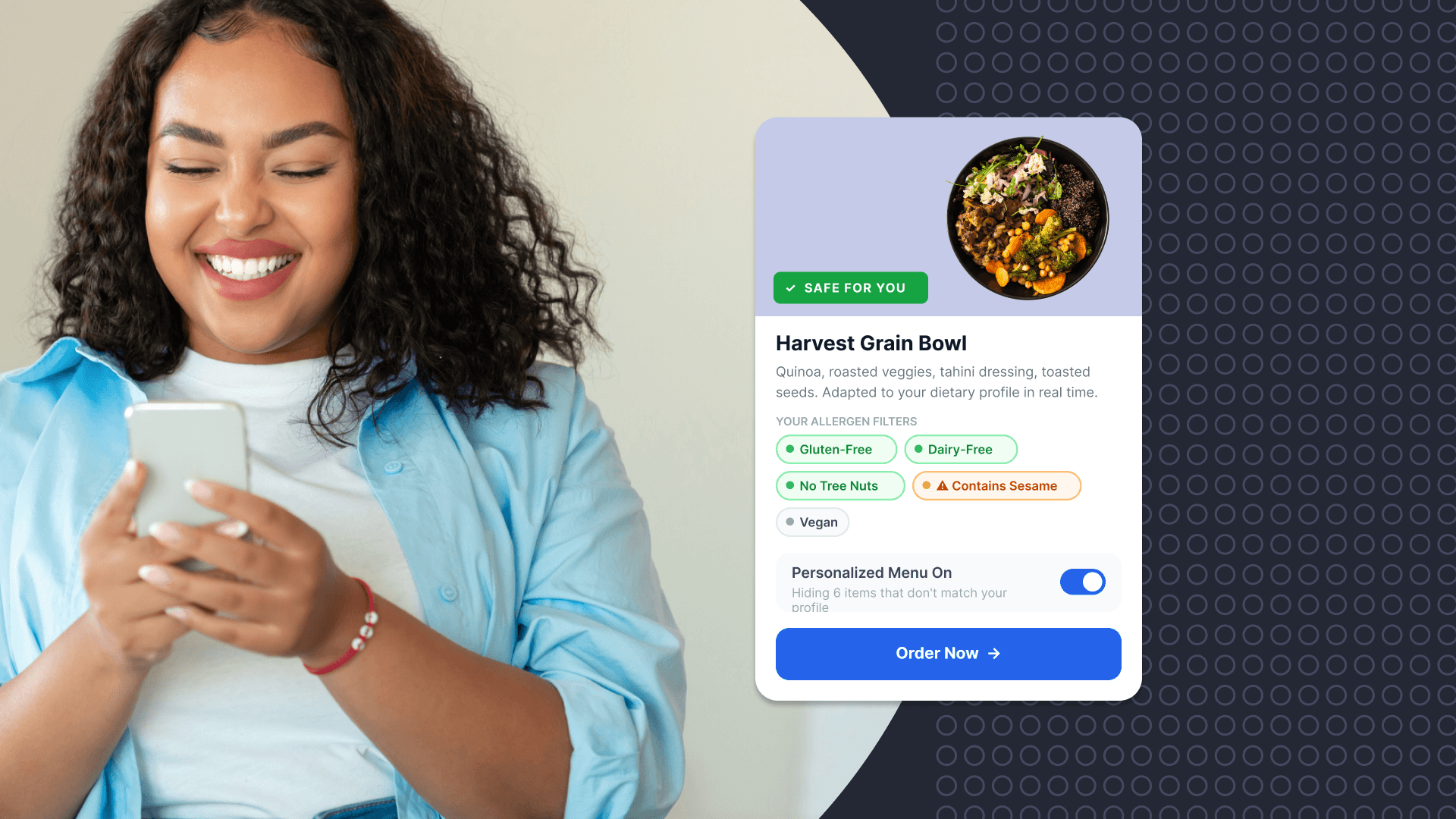
SmartMenu is changing that. And the 2025 data tells the story:
8.3 Million Behavioral Data Points
In 2025, SmartMenu captured 8,372,003 guest interactions across the platform. Every filter applied, every ingredient toggled, every allergen checked, every dish clicked, each one a real-time signal of guest intent and preference.
No survey was sent. No loyalty app was required. No email address was collected at the gate. Guests simply used a menu tool that helped them make better decisions, and in doing so, generated an unprecedented volume of first-party (could this also be considered 2nd Party Noah Glass?) behavioral data about how they actually think.
This is the restaurant industry's e-commerce moment. And it's been sitting on the menu the whole time.
What First-Party Data Means and Why It Matters Now
First-party data information collected directly from your own customers through their interactions with your owned platforms has become the most valuable asset in digital marketing. As third-party cookies disappear and privacy regulations tighten, brands that have invested in their own behavioral data are at a structural advantage over those that haven't.
For most industries, building first-party data requires deliberate investment: loyalty programs, email capture, app downloads, survey campaigns. These tools work, but they require guests to opt in, large acquisition budgets, and enough repeat traffic to generate meaningful data points and assumptions.
SmartMenu generates this behavioral data within seconds of usage. It captures what guests actually did, in real time, during the highest-intent moment in the dining journey: the moment they were deciding what to eat. This distinction of behavior versus stated preference, is enormously important for anyone trying to understand what guests really value when it comes to the meals being served.
The Geographic Signal
The 2025 data also surfaced something important about where SmartMenu usage is concentrated. The top cities by visitor volume were New York, Chicago, Atlanta, and Los Angeles... exactly the major metro markets where digital ordering adoption is already established and where early-adopter consumer populations are most concentrated.
This geographic clustering is not just an interesting footnote. It's an indicator of where demand for personalized menu experiences are sought after, and guests have the highest likelihood of returning. For restaurants operating in these markets, the data that SmartMenu generates can directly map back to the guest populations they're trying to understand and serve.
The Data That Replaces the Focus Group
Traditional methods of understanding guest preferences such as: focus groups, customer surveys, comment card analysis are slow, expensive, and cannot keep up with the modern diners need for transparency and feeling understood. They instead capture what a small sample of guests are willing to say about their preferences, in an artificial setting, after the fact, after the meal.... after the experience.
SmartMenu data captures what hundreds of thousands of guests actually did, in real time, while making real decisions. The 173,398 allergen filter uses in 2025 alone aren't a survey finding. They're a behavioral fact. The pattern of weekend-heavy interactions isn't a focus group insight. It's a direct measurement of when real guests are making real decisions about what they want to, or not want to eat.
Building the Menu Intelligence Foundation
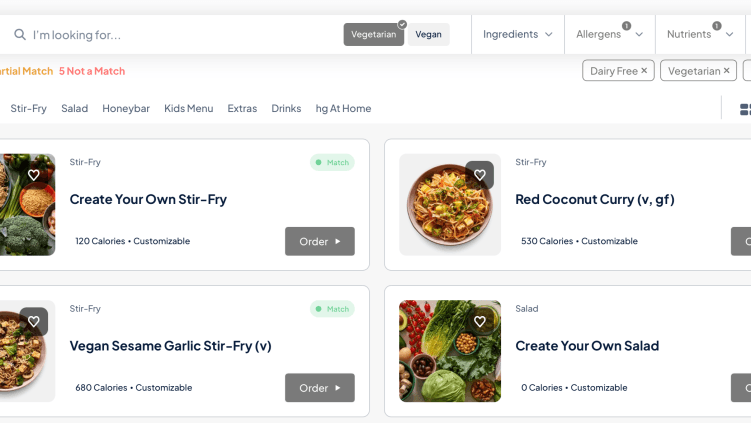
The restaurants that invest in SmartMenu today are doing more than improving the guest experience for current diners. Check out honeygrow's SmartMenu page: https://nutrition.honeygrow.com, they are building a behavioral data asset that compounds over time. Every season, every menu refresh, every LTO added, generates more guest signals.
The menu is no longer where guests learn what they can order. It's where restaurants can learn who their guests are.
Restaurant brands: how are you bringing e-commerce thinking to the menu experience? Things like filtering, personalization, or helping guests navigate ingredients, allergens, and taste preferences?